
 Euro (EUR)
 USA (USD)
 AUD (AUD)
 CAD (CAD)
 UK (GBP)
 Chinese Yuan (CNY)
 Hong Kong Dollar (HKD)
 Swedish Krona (SEK)
 South African Rand (ZAR)
 Norwegian Krone (NOK)
 Israeli New Sheqel (ILS)
 Brazilian real (BRL)
 United Arab Emirates dirham (AED)
 Swiss franc (CHF)
Written by Maksim
This page covers two things: rare stones that are worth knowing about and getting before they disappear, and how to avoid fake or bad quality stones when buying. Both topics are related. The rarer a stone gets, the more fakes appear.
Stones Rising in Price: What to Watch
Since I started collecting Jnats I have seen huge price changes on some stones. Some more than 100% in just 4 months. This list is based on my own observations in the Japanese market. It can change fast. But here is what I see happening:
The biggest price winner of all. Very bright hard yellow Nakayama stones have gone up more than any other type. Nakayama Kiita is now almost gone and the remaining stock keeps getting more expensive. Not Ohira or Hideriyama Kiita. Specifically Nakayama. If you want one, get it now.
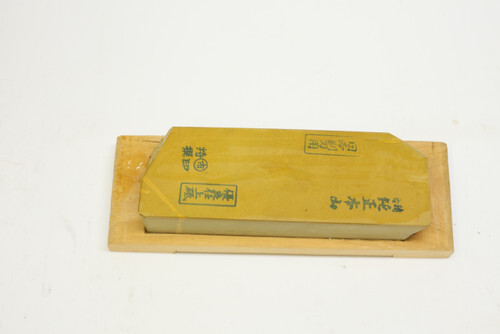
Very big price increase over the last year, but only on the harder ones. Soft Karasu stayed at roughly the same price. Hard Karasu Asagi Nakayama is now one of the most sought-after stones in the world for razor finishing.
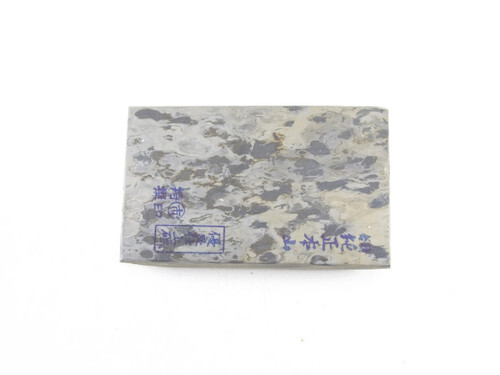
All Suitas are going up. Woodworkers in Japan have discovered Suita stones for their chisels and planes, and demand has exploded. Hard Suitas are of course more expensive, but even soft ones have risen. Ohira Range Suita in particular is very popular and the good ones are getting hard to find.
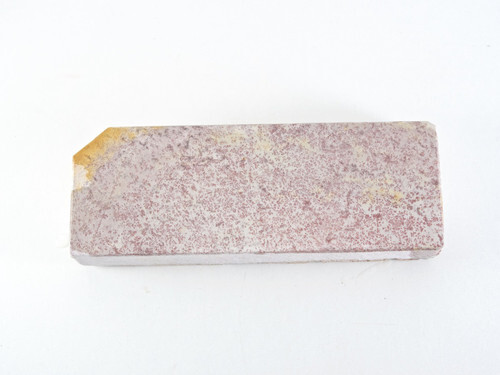
All bright stones have gone up 20-40% in recent months. Not just Nakayama. All mines. The brightest, most visually striking stones are appreciating fastest because collectors want them and stock is finite.
More than 100% price increase in the last 6 months. Botan and Koma are now very rare. The reason: sword polishers in Japan have created huge demand for Asano certified nagura (only the ones with the red Asano stamp). As sword polishing becomes more popular again, nagura supply is shrinking fast. Only buy Asano stamped nagura !!!
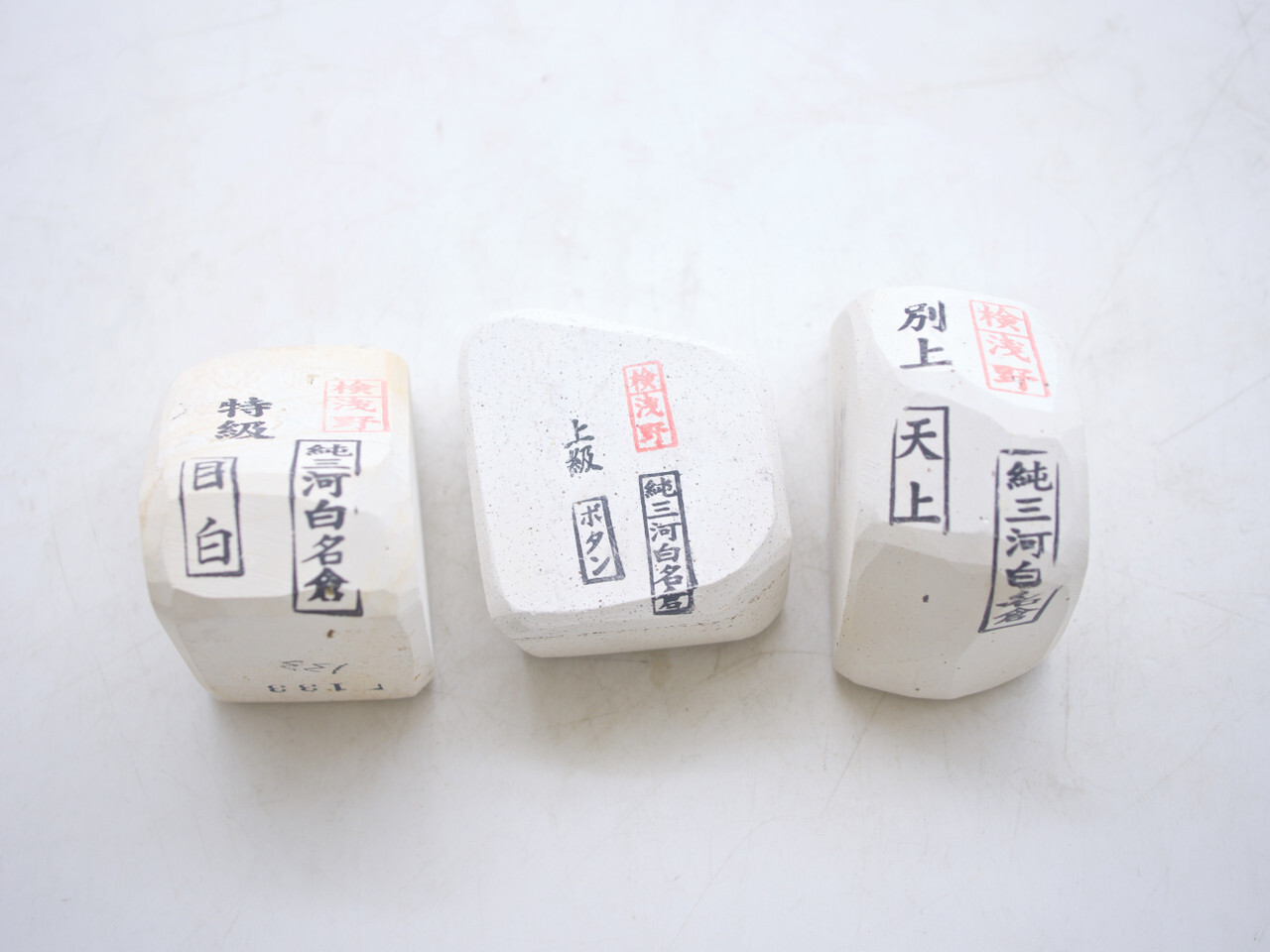
Also heavily affected by sword polishers. Uchigomori finger stones and full stones are now almost exclusively produced by Ohira, and they are quite expensive. The traditional use in sword polishing means demand is very high and supply is very limited.
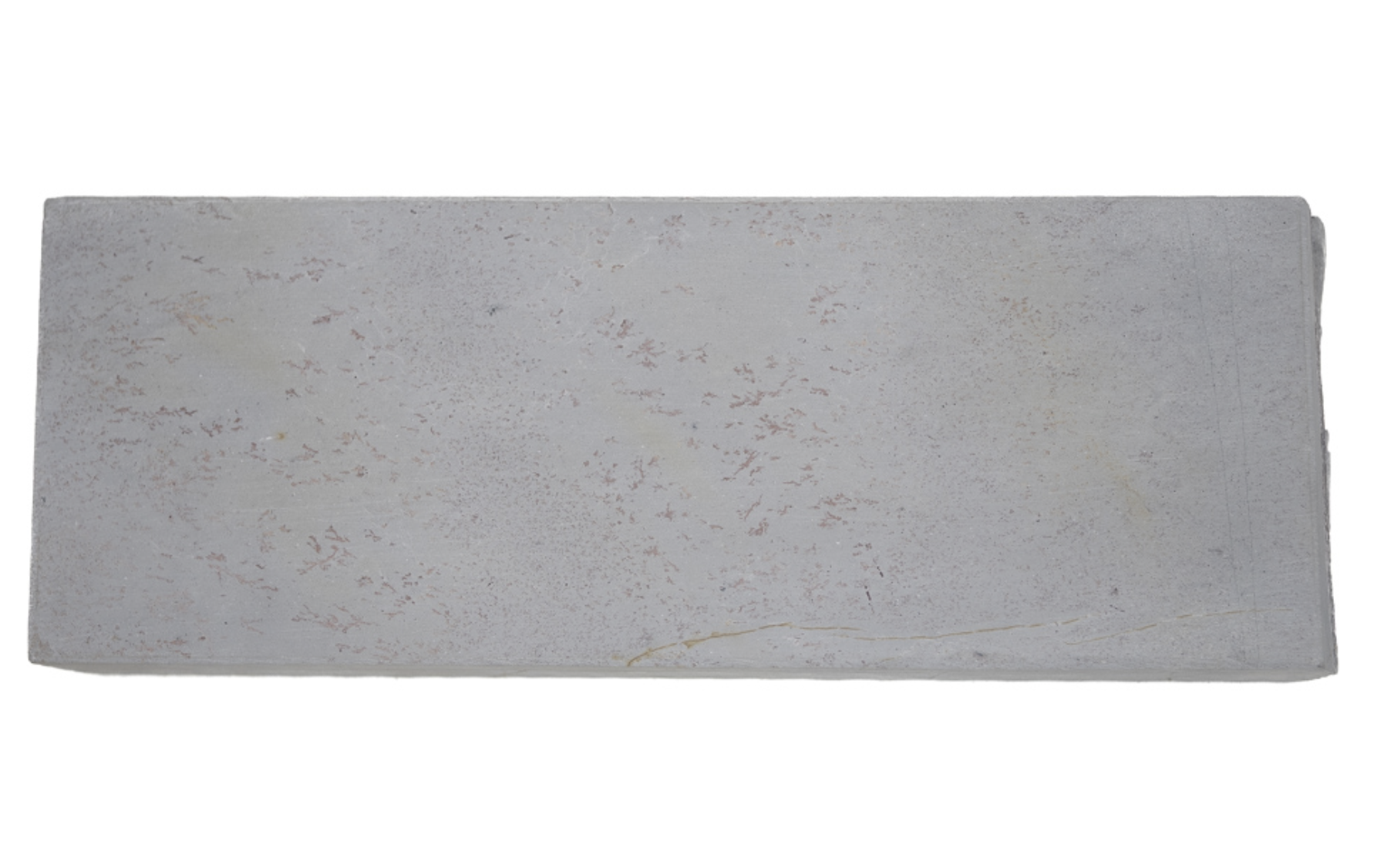
The good ones are almost gone. There are a lot of bad quality Okudo Suitas and Shinden on the market right now. Be very careful. Many are being sold at inflated prices just because of the name. Test before you buy, or buy from someone who has already tested them.
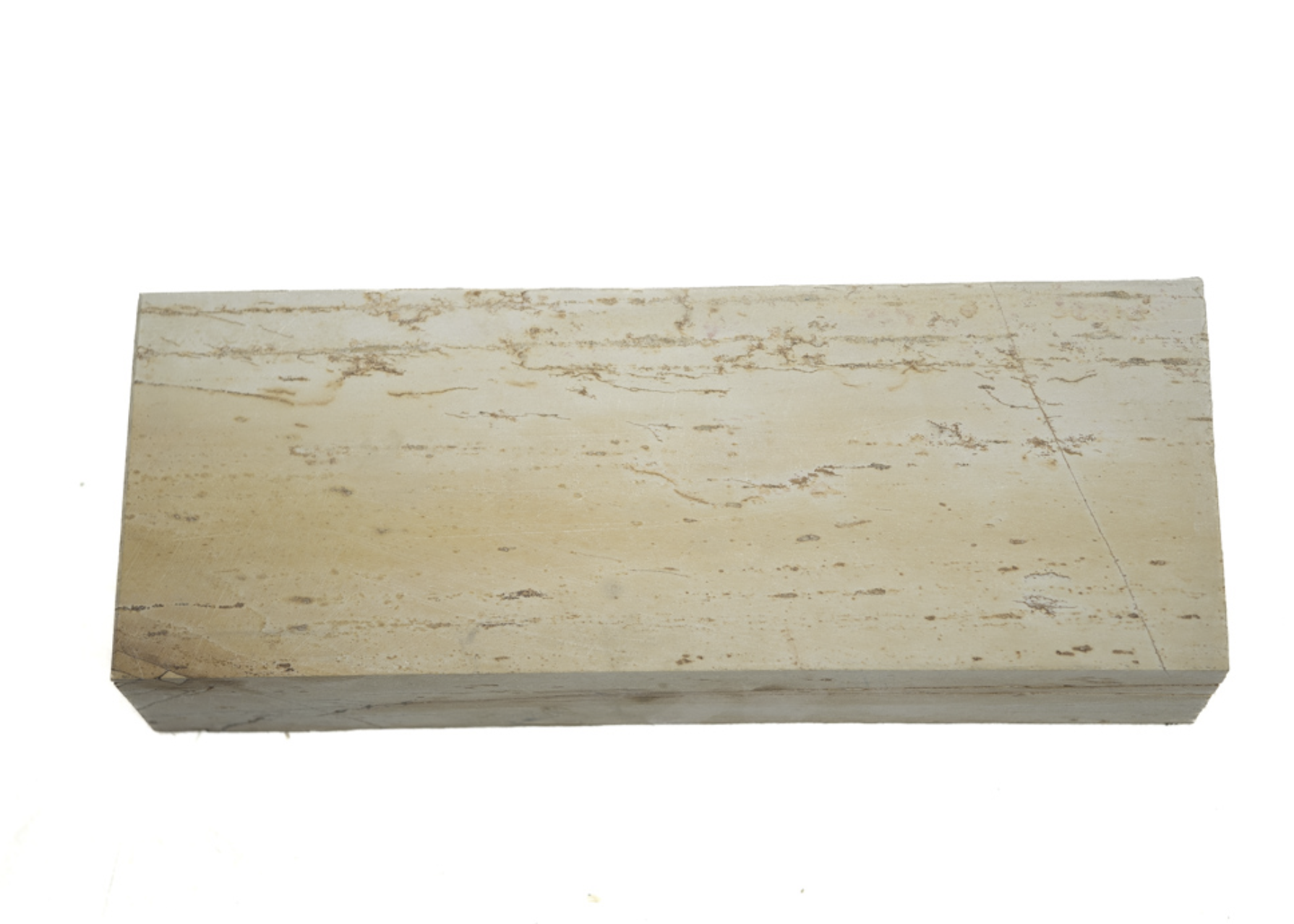
Fake Stones: How to Avoid Them
I did not see this as a serious problem until customers started contacting me about fake Maruka Nakayama stamps on eBay. For the first time I saw fake-stamped stones being sold openly to overseas buyers. So I need to address this directly.
The most popular and most commonly faked stones are: Maruka Nakayama, Okudo, Karasu, Kiita. These are the ones you will see copied most often.
How to Spot a Bad Deal
- Compare prices across many sellers, not just one or two. Size, color, name, kanji, fineness, hardness and speed all affect price. If a stone is significantly cheaper than every other similar stone on the market. There is a reason for that.
- Do not expect real Nakayama Maruka for pennies. Real Maruka stones are expensive because they are very sought after in Japan. Japanese sellers genuinely do not want to sell their best stones cheaply to overseas buyers. A suspiciously cheap Maruka is almost certainly not real.
- Check the stamp carefully. The real Maruka (㋕) stamp is blue or brownish and arranged vertically in a rectangular frame, stamped on the small end of the stone. Fake stamps look similar but are usually printed rather than ink-stamped, and the frame proportions are often wrong.
- Check the source. Read reviews. Many craftsmen and carpenters in Japan only buy stones from retailers they have trusted for years. Because there are so many people trying to sell bad stones. The same applies to buying online.
- Beginners are most vulnerable. If you have never used a genuine high-quality stone, you cannot compare. You might get something fake or bad and think it is normal because you have no reference point. This is why starting with a reliable source matters !!!
Unstable Stones from Closing Mines
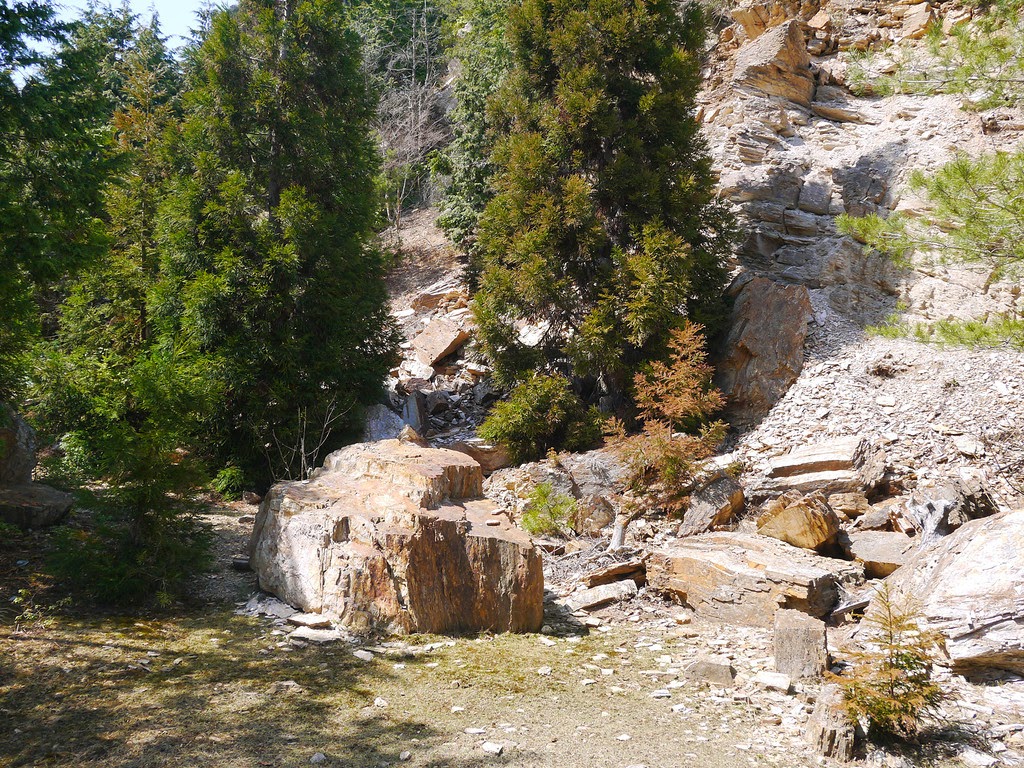
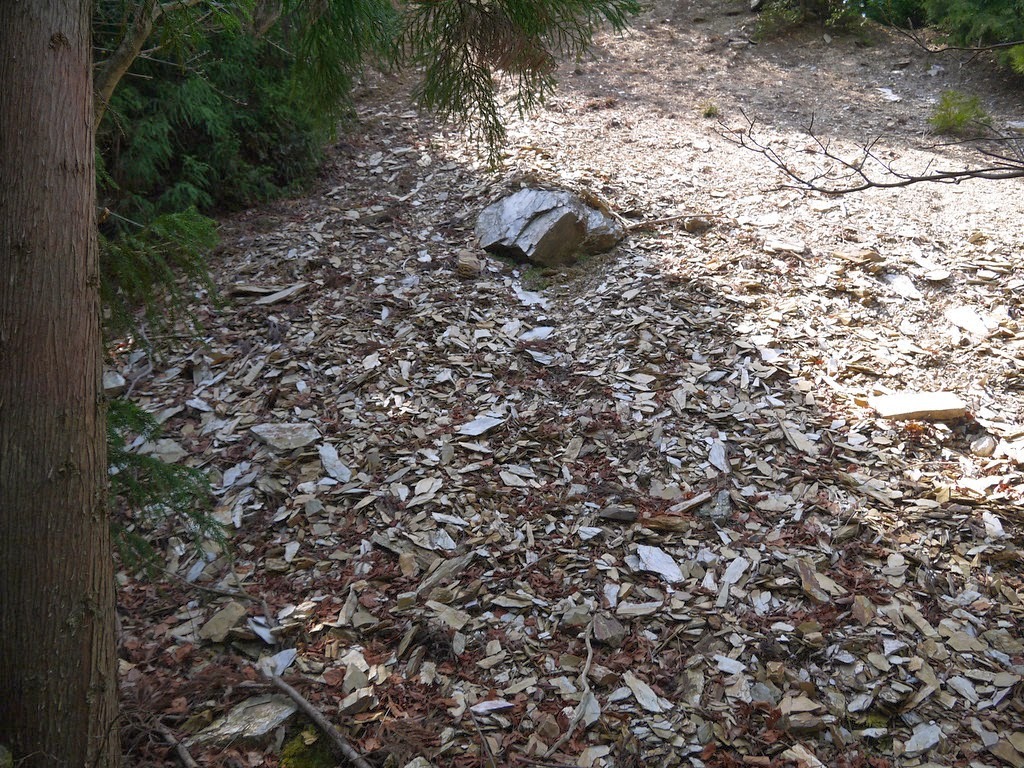
There is another problem that is less obvious than outright fakes: unstable stones gathered from closing mines. When mines close, the material left behind that the miners discarded as unusable sometimes gets sold cheaply. These stones were thrown away for a reason. They were left exposed to rain and weather, which makes them unstable.
What happens with these stones over time: they release bigger flakes than a good stone, become more fragile with use, and many of them are cut in the wrong direction relative to the stone layers which makes them even worse. The super cheap stones you see on eBay are very likely this type. Trashed material gathered from closing Kyoto mines. You can find huge piles of these rejected stones at mine sites. They look like natural stones and can be stamped, but they will never give good results.
Stones discarded by miners as unusable. These are what often end up in cheap eBay listings.
What JNS Does Differently
At JNS I buy only from very reliable and established sources in Japan. Every stone is tested by a stone expert in Japan first and then tested again by me before it goes on the site. The goal is simple: only real, good quality stones leave Japan and come to you.
My recommendation if you are just starting out: buy smaller, less expensive stones from a reliable source first. You get something you know is real, something to compare against, and you learn without risking a lot of money on a stone you cannot yet evaluate properly. Start small, learn, then invest in the bigger pieces once you know what you are looking for :)
If you have questions about a specific stone, want advice on whether something is genuine, or want to know if a stone is worth buying right now. Just message me on WhatsApp :)
In the shop
- All Japanese natural stones → Japanese Natural Stones
- Special pieces → Special